
The short answer
Before signing a rate contract for aggregate, check nine things: where the stone is quarried and under whose lease, whether the plant is owned, what it dispatched last month, recent test results from a named laboratory, whose trucks deliver, how loads are weighed, what sits outside the rate, what happens in a shortfall, and who else they have supplied on a comparable job.
The lowest rate per tonne is easy to find. What a highway package needs is a supplier still delivering to grading in month eighteen, through a monsoon and a diesel price rise. These checks take an afternoon and a site visit.
01The nine checks
- The source. Which quarry, under whose lease, valid until when. A plant buying boulders from whoever is selling this month cannot promise consistent rock.
- The plant. Owned or hired, how many stages, and what rating. Ask to see it running, and look at the stockpiles more than the machine.
- Last month's dispatch. Not capacity. Ask for the weighbridge total for a recent month and which customers it went to.
- Test results. Grading, impact value, flakiness and water absorption from a laboratory you can telephone, dated within the last few months, on this rock.
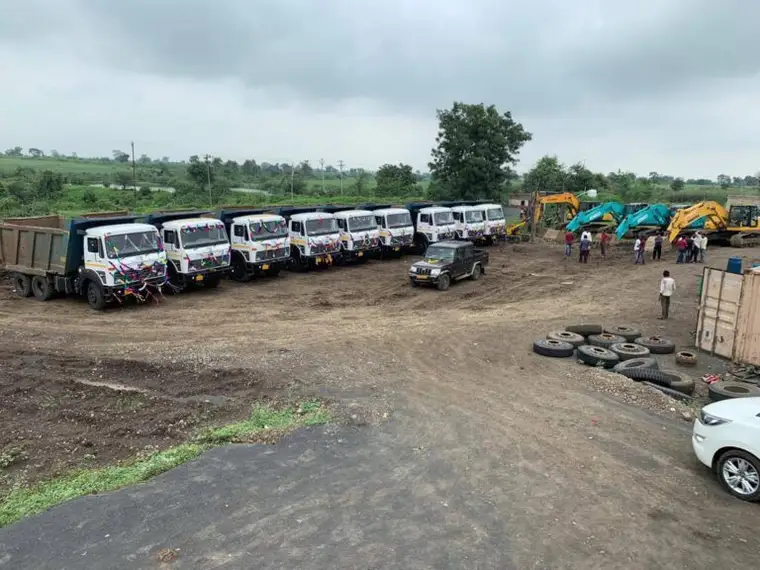
- The trucks. Their own fleet, or hired by the trip. Count them and ask where else they are committed.
- Weighing. A bridge at the plant with a current verification stamp, and a slip for every load.
- Exclusions. Royalty, transit pass, GST, loading, unloading, tolls and waiting time. Each one, inside or outside.
- Shortfall. What they will do in a week they cannot deliver the agreed tonnage, and what it costs them.
- The record. A completed supply of similar tonnage, with a name at the client's end who will take a call.
02What good answers sound like
Good answers are specific and slightly inconvenient. A supplier who says the plant makes 28,000 tonnes in a normal month and 12,000 in July is more use than one who says capacity is no problem. One who tells you the rock gives a flakiness result near the limit, and what they do about it, has tested it.
Be wary of a single rate with nothing listed outside it, of test certificates with no date or no laboratory, and of a fleet that is described but cannot be seen.
03Visit the stockpile
Ten minutes at the stockpiles tells you most of it. Sizes should stand in separate heaps with clear ground between them. Pick up a handful of 20 mm: the pieces should be chunky, with few slivers, and should not leave your palm coated in dust. Look for clay balls and soil in the GSB. Look at the base of the heaps for mud. A yard kept that way is run by people who will also keep a grading.
04Write the contract around the answers
- The grading table and test limits, with the laboratory that decides.
- A monthly tonnage with an agreed range above and below it.
- The delivered rate, the lead it assumes, and the rate per tonne-kilometre if the tipping point moves.
- What moves the rate: usually diesel and royalty, each by a stated formula.
- Weighbridge slips as the basis of payment, and which bridge governs.
- Rejection: who removes a failed load and who pays for it.
The grading and tests behind the first line are in tests on aggregate for road work, and what makes up the rate is in aggregate rate per tonne delivered.